
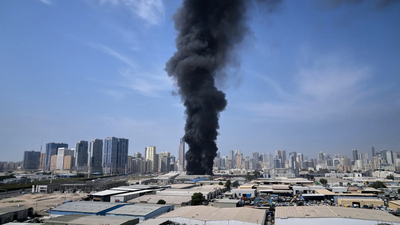
The Middle East has once again become the center of global attention as tensions between Iran and Israel continue to rise. Over the past few weeks, reports of military actions, retaliatory threats, and diplomatic warnings have increased concerns about a potential large-scale regional conflict. Governments across the world are closely monitoring the situation as the possibility of further escalation remains high.
The Iran–Israel conflict is not a new issue. For decades, both countries have been involved in indirect confrontations through cyber operations, intelligence missions, and proxy groups. However, recent developments have intensified the situation, making headlines around the world and raising fears of a broader Middle East war.
This article provides a detailed overview of the latest updates, the background of the conflict, and what the future might hold.
Background of the Iran–Israel Conflict
The rivalry between Iran and Israel has deep political and ideological roots. Since the 1979 Iranian Revolution, Iran’s leadership has taken a strong stance against Israel, criticizing its policies and supporting groups that oppose Israeli influence in the region.
Israel, on the other hand, views Iran as one of its biggest security threats, especially because of Iran’s nuclear program and its support for armed groups in the Middle East.
Over the years, tensions between the two countries have manifested in various ways:
Cyber attacks targeting critical infrastructure
Assassinations of military and nuclear scientists
Airstrikes on military positions in Syria
Support for opposing regional factions
These ongoing confrontations have created an environment of constant tension in the Middle East.
Recent Developments in the Iran–Israel War
In recent weeks, multiple reports have suggested increased military activity involving both nations. While details remain limited due to security reasons, several international news agencies have reported that the situation has become more volatile than before.
Airstrikes and Military Operations
Israel has conducted several airstrikes in Syria targeting facilities believed to be linked to Iranian forces and allied groups. Israeli officials argue that these strikes are necessary to prevent Iran from establishing military bases near Israeli borders.
Iran has strongly condemned these attacks and warned that it reserves the right to respond if its interests are threatened.
Missile and Drone Threats
Security analysts have also reported concerns regarding missile and drone capabilities in the region. Both Iran and Israel possess advanced missile technology, which has raised fears that any escalation could quickly turn into a large-scale military confrontation.
Experts warn that drone warfare could play a significant role in any future conflict due to its strategic advantages and lower operational costs.
Impact on the Middle East Region
The Iran–Israel tensions do not only affect the two countries involved. The entire Middle East region is closely connected through political alliances, economic relationships, and security arrangements.
If the conflict escalates further, several neighboring countries could be affected.
Regional Alliances
Many countries in the Middle East have strong diplomatic ties with either Iran or Israel. These alliances could influence how different governments respond if the situation worsens.
Some countries have called for diplomatic solutions, urging both sides to avoid actions that could destabilize the region.
Economic Consequences
The Middle East plays a major role in global energy supply. Any major conflict in the region could disrupt oil production and transportation routes, potentially affecting global markets.
Energy experts warn that increased tensions could lead to fluctuations in oil prices, impacting economies worldwide.
Global Reactions to the Conflict
The growing tensions between Iran and Israel have attracted international attention. Major global powers are calling for restraint and diplomatic dialogue to prevent further escalation.
United States
The United States has historically been one of Israel’s strongest allies. American officials have expressed concerns about regional stability and emphasized the importance of avoiding a large-scale war.
European Union
European leaders have urged both countries to engage in diplomatic negotiations. The European Union has also highlighted the importance of maintaining regional stability and protecting civilian populations.
United Nations
The United Nations has called for calm and emphasized that dialogue remains the best path toward resolving disputes.
Possible Scenarios for the Future
Experts believe there are several possible outcomes depending on how both sides respond in the coming weeks.
Diplomatic Resolution
One possible scenario is renewed diplomatic engagement between regional powers. International mediation could help reduce tensions and prevent further military action.
Limited Military Confrontation
Another possibility is a limited military exchange that remains contained within certain regions. While such confrontations can increase tensions, they may not necessarily lead to a full-scale war.
Large-Scale Regional Conflict
The worst-case scenario would involve a broader regional war involving multiple countries. Such a situation could have serious consequences for global security and economic stability.